

What is Branding?
Definition: the act of making a product, organization, person, or place easy to recognize as different from others by connecting it with a particular name, design, symbol, set of qualities, etc – Cambridge Dictionary
In the world of marketing, branding is often interchanged with a few different terms. Brand, branding, and brand identity are often confused.
So, before we discuss the importance of branding, let’s define the three different terms.
What is a Brand?
A brand is a crafted persona; what someone would imagine your product, service, or business is as a person. Brands connect to an audience through their visuals, values, and interactions.
“A brand is the set of expectations, memories, stories and relationships that, taken together, account for a consumer’s decision to choose one product or service over another.” – Seth Godin
What is Brand Identity?
Brand identity is the entirety of visual components that make your brand distinctive. These include logos, fonts, colors, images, and filters.
What is Branding?
Finally, the reason why you are here, we have branding. Today, the term “branding” has become synonymous with success. But what exactly is branding, and why does it hold such importance?
In its simplest form, branding is the art of crafting a distinct identity that resonates with consumers.
In other words, branding is the process of creating a strong, positive perception of a company, its products, or services in the customer’s mind. Branding encompasses the entire personality and perception of a business.
It’s the sum of a company’s values, mission, and culture, and can include visual identity, content, products, ads, services, customer support, human relations, and experiences. Beyond a mere visual identity, branding shapes the emotions and associations that consumers have with a business.
This leads us to our next section.

Why is Branding Important?
Now that we understand what branding is, we need to know the importance of branding for success. Through branding, we can connect with our target audience, build connections that set us apart, and increase the value of our brand.
There are many types of brands including personal brands, business brands, product brands, event brands, service brands, and more. For this article, we are going to focus on business branding (or you might know it as corporate branding).
The goal of every business brand is to reach the right audience, build relationships, and increase the value of the business. Without it, your brand is a race to the bottom. You are one in a thousand other similar businesses, trying to win by lowering your price, adding more effort, and struggling to make a difference.
True brand success is the number of die-hard advocates you have following your brand. With advocacy, you can worry less about trying to “win” the audience and focus on your actual mission.
To help you out, we’ll break down the benefits of the steps as you go from brandless to brand success.
The Right Customer
The first benefit you’ll see from branding comes from reaching the right customer. When building a brand, your goal is to reach those who can identify with your brand. A unique brand with the right focus will set you apart from your competition.
In a crowded marketplace, setting yourself apart is essential. Branding enables businesses to communicate their unique value proposition.
Through strategic messaging, visuals, and brand voice, businesses can communicate what makes them special and why customers should choose them over alternatives. This distinctiveness not only attracts customers but also forms a barrier against commoditization.
With brand awareness, consumers can choose to learn more about who you are and what your brand represents. Brand awareness then leads to brand recognition.
Recognition is the cornerstone of effective branding. A well-crafted brand identity helps a business stand out in a crowded market. When consumers can identify a business, based on its logo or packaging, it establishes credibility and a sense of familiarity.
By being able to identify your brand and understand what your brand stands for, your customers will now begin to consider your brand. With consideration, they can then begin to choose to align with it, thus creating a personal connection.
Relationships & Connection
Personal connections are the first step to the customer choosing your product. They have a need and your brand provides value by fulfilling that need.
Often these needs are emotional and the way to connect with them is to be there for them. When someone’s concerned, they want security. When someone is in despair, you offer hope. The customer connects these positive feelings to your brand and starts to recognize it more and more.
Familiarity develops trust, and consumers are more likely to engage with brands they recognize and perceive as reliable. As your customer engages and the more you meet their needs, the more they trust your brand.
With brand trust, the customer is now willing to choose your brand over another brand because they have fewer doubts that you will fill their needs. They begin to believe in your brand and what it stands for. The customer is now connected and begins to engage in your brand’s community.
Successful branding isn’t about products or services; it’s about forging emotional connections. A strong brand evokes feelings, whether it’s a sense of nostalgia, excitement, or trust.
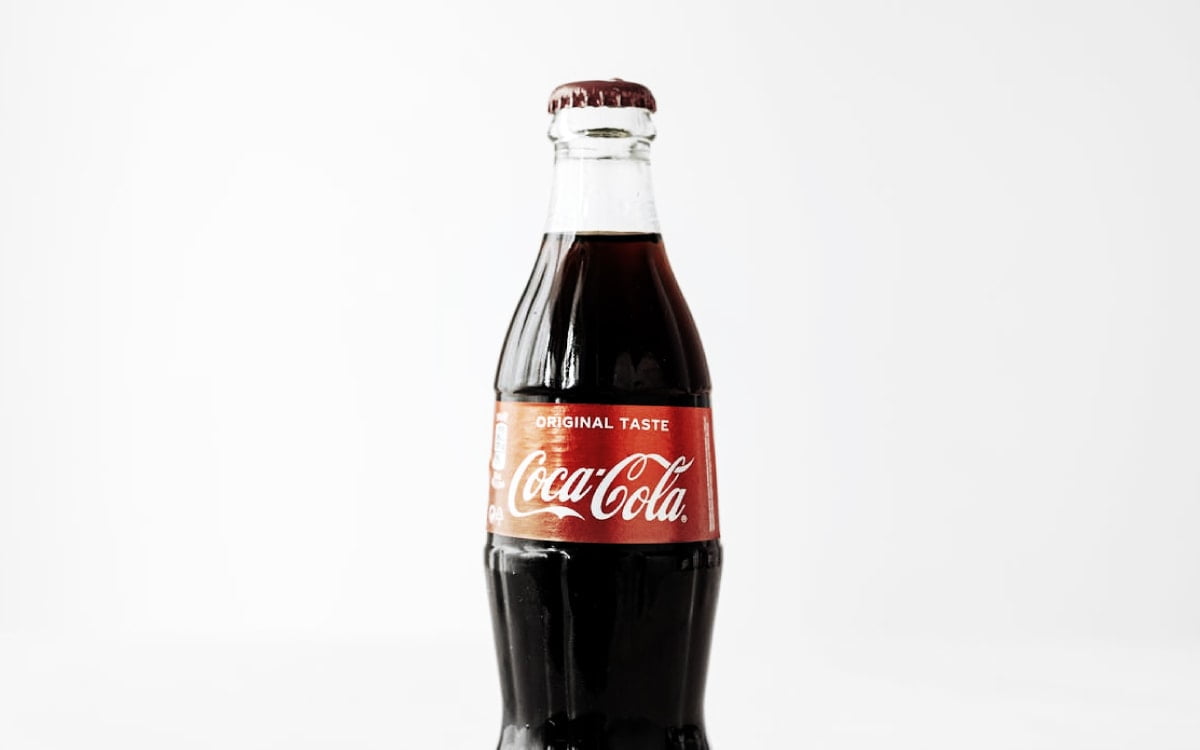
Think about brands like Apple or Coca-Cola – their products have become intertwined with emotions and experiences. By eliciting emotions, branding creates a bond that goes beyond functional benefits.
Increased Value
Over time (measured in experiences with the brand), your customers will develop brand loyalty. Branding plays a pivotal role in nurturing customer loyalty.
When consumers resonate with a brand’s values and story, they become more than only one-time buyers. They will choose your brand over competitors offering a similar product or service. They may even choose to drive further to get to the product or pay more.
The customer now feels like they have a sense of belonging bringing more engagement and experiences. Each interaction brings a higher sense of satisfaction to the point where they want to advocate for the brand.
With brand advocacy, your customer loves your brand and is now sharing it with the world. Sharing could be through word-of-mouth, posting to their social media, blog posts, review sites, YouTube, and the list goes on. Word-of-mouth marketing, spurred by strong branding, can enhance a business’s growth tremendously.
Branding extends beyond the product or service itself; it’s about creating a holistic brand experience. This experience encompasses every touchpoint – from the user interface of a website to the ambiance of a physical store. A consistent, well-thought-out brand experience leaves a lasting impression on customers, fostering a sense of belonging and community.
Through all this, you build brand equity. Brand equity is the value that derives from your customer’s perception of the brand rather than the product or service alone.
Instead of a customer paying $2.99 for a cup of coffee, they are willing to pay $6 or more. Brand equity comes from the added value of experience, emotion, and general satisfaction towards your brand.
The benefits of increased brand value allow you greater margins on your products or services, more expansion opportunities, more choice of your target market, higher credibility, and less vulnerability in crises.
A well-established brand can act as a cushion during times of crisis. Brands that have invested in building strong relationships with customers are more likely to endure trials successfully. This is because customers who feel emotionally connected to a brand are more forgiving and supportive in times of trouble. Branding, thus, offers a buffer against reputational damage.
In the intricate dance of commerce, branding takes center stage as a guiding light. It’s the story businesses tell, the emotions they evoke, and the connections they forge. From creating recognition and trust to cultivating loyalty and resilience, branding is the thread that weaves through every business facet.
As businesses continue to evolve, one thing remains constant: the timeless importance of branding in leaving an unforgettable mark on the hearts and minds of your customers. So, the next time you see that familiar logo or hear that distinct jingle, remember that behind it lies a world of strategic planning and consumer-focused passion.
Now that you see the importance of a brand, let’s discuss how to start building your brand.

How to Build Your Brand
Creating a brand from scratch is a tough job. Whether it’s for a new business, or rebranding an existing brand, it takes time, money, and a bunch of research. But having a well-built brand is the best way to shape your customers’ perception of your business.
Building a business brand that works is a strategic and ongoing process. It is a difficult task, but it doesn’t have to be problematic.
Here’s a comprehensive guide on how to build a business brand:
Discovery Before Strategy
The key to building an effective brand strategy is brand discovery.
First, you’ll need to discover your customers’ needs, what makes your business different from your competitors, and understand your business’s capabilities.
Your Customers
Understanding your target customers, their needs, preferences, behaviors, and demographics is essential for effective marketing.
Demographics play a huge part in understanding your customer. Location is important. Research data like disposable income, likes, dislikes, where they get their information, if they impulse buy or not, and even how they currently respond to your brand or product.
But most importantly, understand your customers’ needs. Use in-depth interviews, questionnaires, and user tests to gain insight into your customers’ minds. What are they searching for? What questions or concerns do they have about your products or services?
By gaining insights into your customers, you can tailor your products, services, and marketing messages to meet their specific demands.
Your Competitors
Investigating your competitors involves analyzing the competitive landscape in your industry or market. It includes identifying your competitors, their strengths and weaknesses, their market share, and their marketing strategies.
Evaluating the competition helps you position your business effectively and develop strategies to gain a competitive edge.
Your Business
Understanding your business’s internal capabilities and resources involves assessing your strengths, weaknesses, and competitive advantages. By understanding your capabilities, you can identify what you can offer to customers and how you can differentiate yourself from competitors.
Once you discover the needs you can fill that differ from your competitors, you have a brand strategy headed for success.

Define Your Brand Strategy
With your competitive advantage in mind, you can now define your brand’s purpose and position.
Think about where your brand fits into your industry. Start with a single purpose or mission statement that communicates what your brand aims to achieve. This statement will inform other brand activities, so it should be consistent with your business plan and core values.
Personality is one of the most important aspects of a brand. This is the easiest way to show that your business is unique and attract the type of customers you want.
The same voice needs to resonate across all brand activity, from web copy and social media profiles to emails and product pages. Whenever customers interact with your brand, they need to hear your unique brand voice and understand your personality.
The voice you choose will largely depend on your audience, mission statement, and industry. For example, Gen Z viewers often use slang. If you want to engage with this type of audience, consider incorporating it into your brand voice.
Find out what kind of person your target customer would connect with in your field for inspiration. Define the personality of your brand. Is it friendly, professional, innovative, or something else? This influences how you communicate and engage with your audience.
Once you understand your brand’s personality, create an editorial style guide. Imagine your brand as a real person and the way that they would speak. Decide how formal or informal you want to be, including word choice, slang, phrase usage, tone, and even use of spelling or punctuation.
Next, you’ll want to share your brand’s story, including its origin, mission, and values. A well-crafted narrative can engage customers on an emotional level.
Stories connect people on a personal level, so using them in your marketing is a great way to make a lasting mark on your customers. Storytelling helps customers relate to your brand and creates a deeper connection.
A great resource for understanding how to build a story is the book Building a StoryBrand by Donald Miller. The book provides an outline of what to include in your brand story. Start with a character (your customer) and a problem(their need). The character meets with a guide who gives them a plan and a next step to help avoid future failure. You can use this simple formula by setting your brand as your guide and your unique value proposition as your plan.
Storytelling is a great addition to your mission statement. It can explain why your brand exists and what its beliefs are. Once you’ve established your story, incorporate it into your ads and landing pages.
Design your Brand Identity
One of the first impressions people will have of your brand is your logo. It’s the face of your brand, so you need one that reflects your brand.
Logos often include a variety of visual elements, so there are several things to consider. Colors, typography choices, and symbols are three effective design elements that play an important role in logo creation.
When considering colors, fonts, and other design elements, you’ll want to be consistent in all marketing materials. Other visual items in your brand identity will include textures, patterns, imagery, filters, and even the way the words are laid out in your designs.
Ensure that all visual elements, including your logo, website, packaging, and marketing materials, follow a consistent design theme. Consistency builds recognition and trust among customers.
To help, create a style guide to ensure you have a unified voice and presence across every channel. Detail how you want your brand to sound, look, and feel as a reference. Your brand’s personality should be evident through your website, every social media post, marketing campaign, or business communication.

Manage Your Brand
Time to Start Marketing
When you’re ready to go public with your brand, establish a strong online presence. Create a professional website that showcases your brand’s identity, products or services, and customer testimonials.
Use social media platforms that align with your target audience to connect with potential customers. Consistently publish valuable content that educates, entertains, or informs your audience.
Share your expertise through blogs, videos, podcasts, or speaking engagements to establish yourself as an industry authority. Encourage customer reviews and testimonials to build trust and social proof.
Interact with your audience on social media and respond to comments and messages promptly.
Every interaction with your brand should be positive and consistent. This includes customer service, product quality, and the buying process. Brand advocates are more likely to come from satisfied customers.
Maintenance is Important
Now that you are out there, you’ll need to consistently deliver on your promises. Your audience already has a perception of your brand (hopefully it’s what you were aiming for).
Ensure that your brand consistently lives up to its promises and values. Meeting or exceeding customer expectations is crucial for brand credibility.
This includes being consistent with the content you produce. Producing high-quality content that is relevant to your brand or industry will help you keep their trust and stay fresh in their mind.
Don’t Forget to Reevaluate
After a while, everything changes–the world, the industry, the trends. Adapt your brand over time.
Stay attuned to market trends, customer feedback, and changes in your industry. Be willing to adapt your brand strategy and messaging as needed to remain relevant and competitive.
But it’s important to remember to remain true to your mission and core values.
To help you reevaluate, use analytics tools to measure the effectiveness of your branding efforts. Conduct surveys or feedback sessions to understand customer needs and preferences.
If you notice they are not going in a direction that pleases you, adjust your strategy based on data to optimize your brand’s performance.

It’s Okay to Rebrand
Brand consistency is important for long-term stability and engagement, but there’s no need to continue with a strategy that isn’t working. In some cases, rebranding may be the most practical solution to remain engaging with customers while attracting new audiences.
A rebrand can be anything from a minor logo change to a complete redesign of your colors, tone of voice, or target audience. Depending on your goals, something as simple as a customized logo font can have a big impact on your public image.
There have been some very significant brand changes that have helped or even saved a company. Examples would be Dunkin’ Donuts, Burberry, Dominos, Facebook, and even McDonalds.
Brand changes should be carefully tested before implementation. First, gather feedback directly from your existing customers to understand how they currently view your brand.
Loyal customers should be prioritized over potential leads. You can try to get responses from other groups like your new audience, but be careful not to offend your existing customers, as they are your most valuable audience.
Final Thoughts
As you can see, branding is an important part of your business and good branding is the key to a successful one.
A good brand is about creating a meaningful connection with your audience and reinforcing that connection through consistent messaging, exceptional customer experiences, and a commitment to your brand’s values and mission. This will be done through, your visual identity, your brand personality, and every interaction you have with your audience.
Building a strong brand takes time and constant work. Don’t expect overnight results. It’s important to stay committed to your brand identity and values as you work toward long-term success.
And remember that building a brand is an ongoing journey.
If you’re stuck or overwhelmed and need help with your brand, contact us for a free consultation. Let us help you build your brand, from creating your initial brand strategy to components of your visual identity, and share your story.